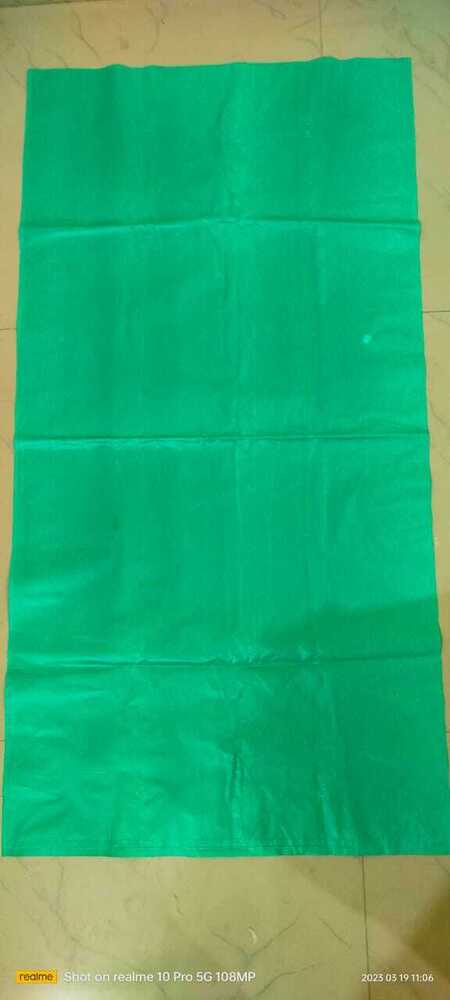
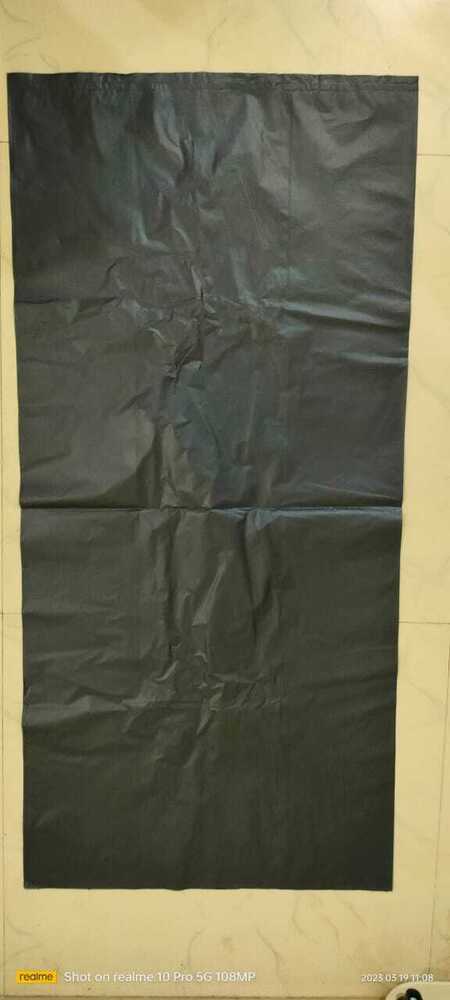
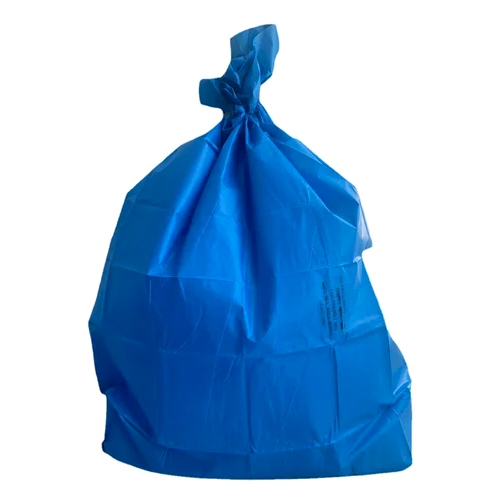
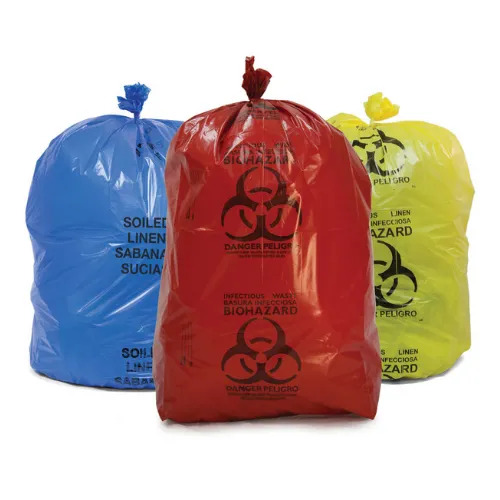
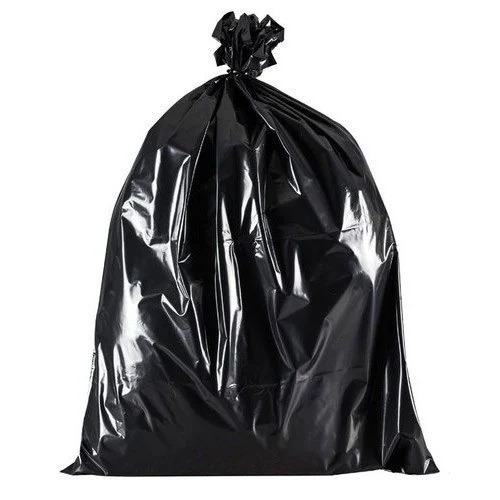
Bio-disposable garbage bags, also known as compostable garbage bags or eco-friendly trash bags, are a sustainable alternative to traditional plastic bags. They're designed to break down naturally in the environment, minimizing their impact on the planet.
These bags are crafted from renewable resources like:
Cornstarch
Vegetable oils
PLA (polylactic acid) - derived from sugarcane or cornstarch
PBAT (polybutylene adipate terephthalate) - a compostable polymer for added flexibility
Bio-disposable bags are generally considered environmentally friendly because they decompose faster than conventional plastics. This reduces landfill waste and minimizes harm to ecosystems. They are also available in various sizes and thicknesses, making them suitable for household and commercial use.
Frequently asked questions
Q1: What are bio-disposable bags made of?
Bio-disposable garbage bags are typically made from plant-based materials like cornstarch, PLA, PBAT, and other biodegradable polymers. They are also made from recycled materials such as ocean-bound plastic.
Q2: How do bio-disposable bags break down?
Compostable bags require a composting environment, which typically involves oxygen, moisture, heat, and microorganisms like bacteria and fungi.
The process involves water seeping into the bag, breaking down the polymer chains (hydrolysis). This is followed by microorganisms consuming the organic materials, converting them into carbon dioxide, water, and biomass (microbial attack and mineralization).
Q3: How long does it take for them to decompose?
In industrial composting facilities, with optimal heat and controlled microbial activity, compostable bags can break down within 90 to 180 days.
In home composting systems with less control over conditions, the decomposition may take between 180 to 360 days.
Q4: Are bio-disposable bags truly eco-friendly?
Yes, these bags are considered eco-friendly because they decompose naturally into non-toxic components, reducing waste accumulation and plastic pollution. They also help prevent climate change by lowering carbon emissions compared to the production of conventional plastics.
Q5: Can bio-disposable bags be used for composting?
Yes, many bio-disposable bags are suitable for composting, especially the ones labeled as compostable. However, it's crucial to check for certifications like ASTM D6400 or EN 13432 to ensure they are designed for composting and will break down properly.
Q6: Can I throw bio-disposable bags in the regular trash?
It is not recommended, as landfills often lack the necessary oxygen and microbial activity for proper decomposition. Compostable bags need specific conditions to degrade effectively; otherwise, they may persist for years, potentially breaking down into microplastics.
Q7: Where can I buy certified compostable bags?
Several brands and websites offer certified compostable bags online and in stores. Look for certifications like CPCB certification (in India) or TUV Austria OK Compost Industrial to ensure quality and environmental standards are met. Biogreen Bags and Dr. Bio Polymers are examples of manufacturers selling certified compostable products.





 Send Inquiry