Hospitals, Nursing Homes, Research Labs, Veterinary Clinics, Healthcare Centres
Thickness
25-55 Microns (as per biomedical waste handling rules)
Closure Type
Heat Sealed or Star Sealed at Bottom
Odor
Odorless plastic material
Print Details
Biohazard symbol and statutory warning (as per BMW rules)
Bio Medical Waste Collection Bag Trade Information
Minimum Order Quantity
100 Kilograms
Payment Terms
Cash Advance (CA)
About Bio Medical Waste Collection Bag
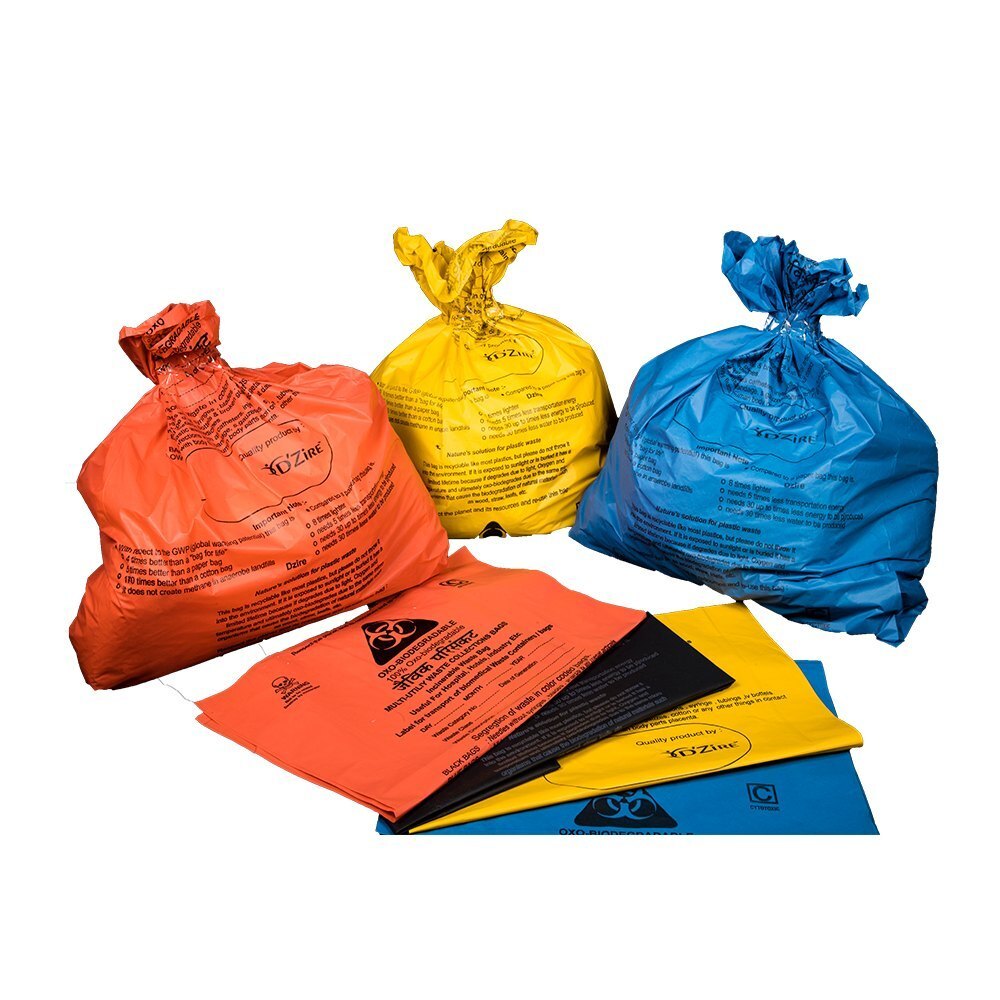
Yellow bags
These are used for infectious and pathological wastes that typically require incineration for disposal.
Human and animal anatomical waste: Organs, tissues, body parts, and animal carcasses.
Soiled waste: Items contaminated with blood or other body fluids, such as cotton, bandages, and dressings.
Discarded medicines and cytotoxic drugs: Including expired or unused pharmaceutical waste.
Microbiology and biotechnology waste: Items from laboratory cultures, stocks of infectious agents, and biological toxins.
Red bags
Red bags are for contaminated, recyclable plastic waste that is treated by autoclaving or microwaving to disinfect it before recycling.
Contaminated plastics: Items like IV sets, catheters, urine bags, and syringes (without needles).
Gloves and aprons: Contaminated plastic PPE.
White (translucent) bags or containers
These are puncture-proof containers used for waste sharps that can cause cuts and punctures.
Needles: Including syringes with fixed needles.
Blades and scalpels: Any contaminated metal sharps.
Broken glass: Other sharps that may cause injury.
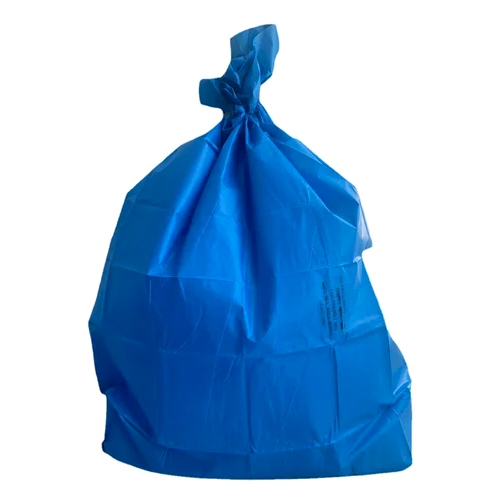
Blue bags or cardboard boxes
This color is designated for the safe disposal of contaminated and non-contaminated glassware.
Glassware: Including vials, ampoules, and broken bottles.
Metallic body implants: Surgical implants and other metal parts.
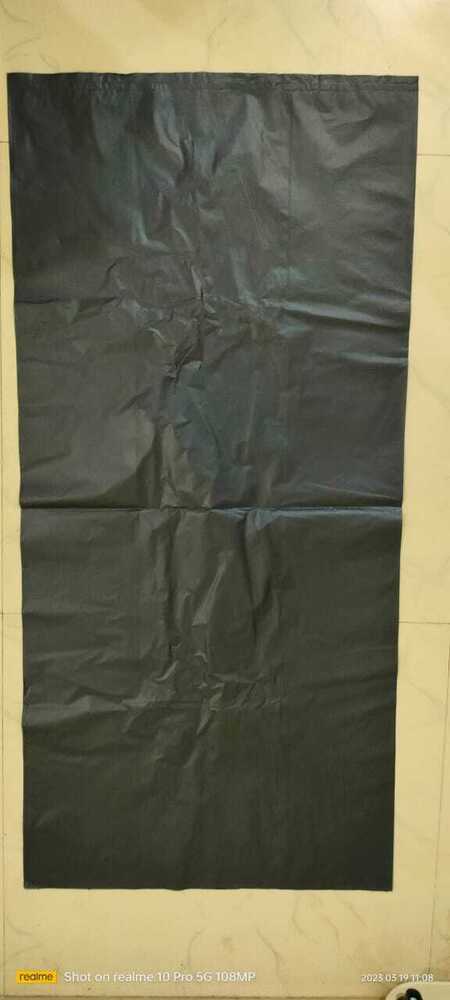
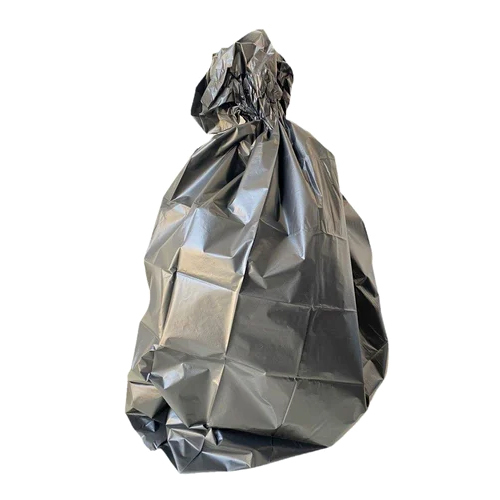
Black bags
Black bags are for general, non-hazardous, and non-infectious waste, similar to normal household garbage.
General waste: Paper, wrappers, food waste, and other non-medical waste.
Importance of color-coded bags
Proper segregation using color-coded bags is a critical step in biomedical waste management. It serves several purposes:
Prevents infections: Separating contaminated waste at the source reduces the risk of cross-contamination and the spread of infectious diseases.
Protects workers: Healthcare staff and waste handlers are protected from accidental injuries and exposure to dangerous pathogens.
Ensures compliance: Following the mandatory color-coding system helps healthcare facilities comply with environmental and health regulations.
Promotes proper disposal: The color coding guides the correct treatment process, such as incineration for infectious waste or autoclaving for recyclable plastics
Superior Compliance and Safety
Our biomedical waste bags strictly follow Bio-Medical Waste (Management and Handling) Rules, as well as CPCB and MoEF guidelines. Each bag is printed with the biohazard symbol and statutory warnings, ensuring regulatory compliance and enhanced safety for healthcare environments.
Durable and Leak-Proof Design
With a thickness range of 25-55 microns, these bags are heat-sealed or star-sealed at the bottom for leak and puncture resistance. Capable of holding up to 15-20 kg (based on size), they are reliable for safely handling sharp or heavy medical waste.
Eco-Friendly and Odorless
Manufactured using non-chlorinated, high-density polyethylene, the bags are odorless, recyclable, and eco-friendly. Designed with either drawstring or flat handles, they ensure both convenience and environmental responsibility in waste disposal.
FAQ's of Bio Medical Waste Collection Bag:
Q: How should I properly use the Bio Medical Waste Collection Bags for waste disposal?
A: Collect biomedical waste generated in your facility-such as used dressings, swabs, and disposable medical supplies-directly into the bag. Ensure the bag is sealed using the drawstring or handles provided, and avoid overfilling beyond the recommended load capacity for optimal safety.
Q: What makes these biomedical waste bags compliant with Indian regulations?
A: These bags meet Bio-Medical Waste (Management and Handling) Rules, as well as CPCB and MoEF guidelines. They are yellow, printed with biohazard symbols and statutory warnings, and made from non-chlorinated recyclable plastic, all as specified by the authorities.
Q: When should the Bio Medical Waste Collection Bag be used in a healthcare setup?
A: Use the bags whenever handling, transporting, or disposing of biomedical waste in hospitals, clinics, research labs, veterinary centers, or any healthcare-related facility to adhere to safety and regulatory protocols.
Q: Where can I use these biomedical waste collection bags?
A: These bags are suitable for use in hospitals, nursing homes, diagnostic and research laboratories, veterinary clinics, and health care centers across India, ensuring universal compliance and safety.
Q: What are the benefits of using these bags for biomedical waste collection?
A: The bags are odorless, leak-proof, puncture and tear resistant, temperature-resistant up to 70C, and support environmental stewardship by being non-chlorinated and recyclable. They help ensure the safe, hygienic handling of hazardous waste, minimizing health and environmental risks.
Q: How are these bags packaged and supplied?
A: Standard packaging is 100 bags per pack, but customized pack sizes are available upon request. Sizes range from 24x24 inch to 36x48 inch, with additional options available as per user requirements.
Tell us about your requirement
Price:
Quantity
Select Unit
50
100
200
250
500
1000+
Additional detail
Mobile number
Email
Name
Comapny Name
Phone Number
Email Id
City / State
Confirm Your Requirement
Verification Code
Did not receive yet?
Resend OTP
You’re Done!
We have received your requirements and will reply shortly with the best price.





 Send Inquiry