About heavy duty garbage bags for construction waste
| Capacity |
20*24 to 52*60 all size available |
| Size |
20*24 to 52*60 all size available |
| Bag Size |
20*24 to 52*60 all size available |
| Material |
Biodegradable |
| Color |
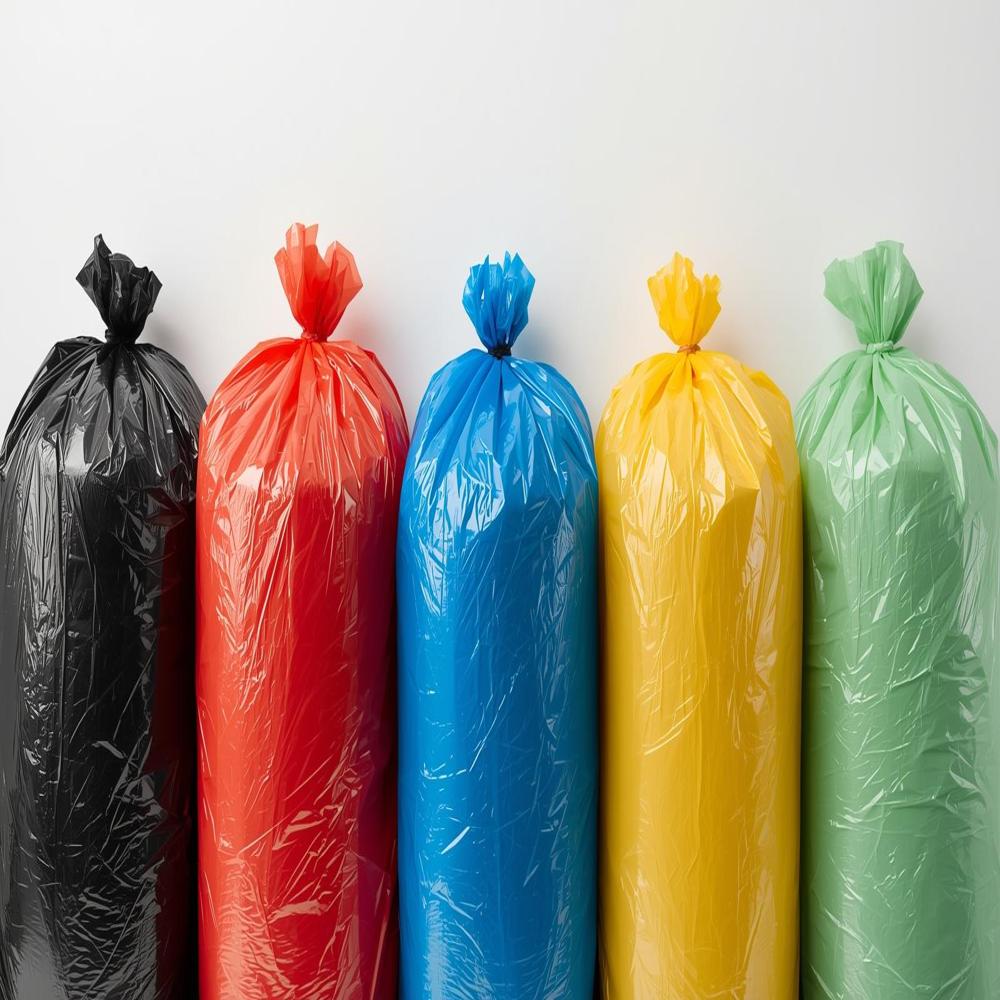
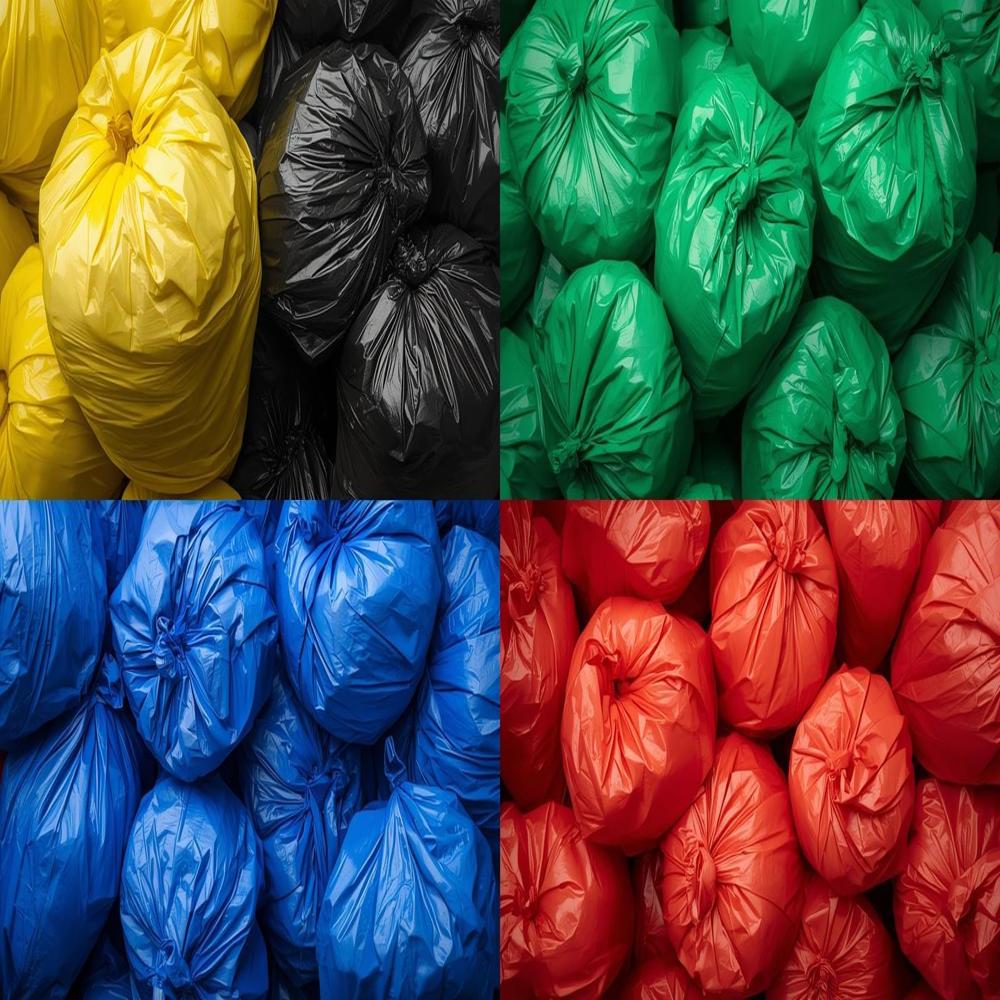
Blue |
| Color |
Black |
| Color |
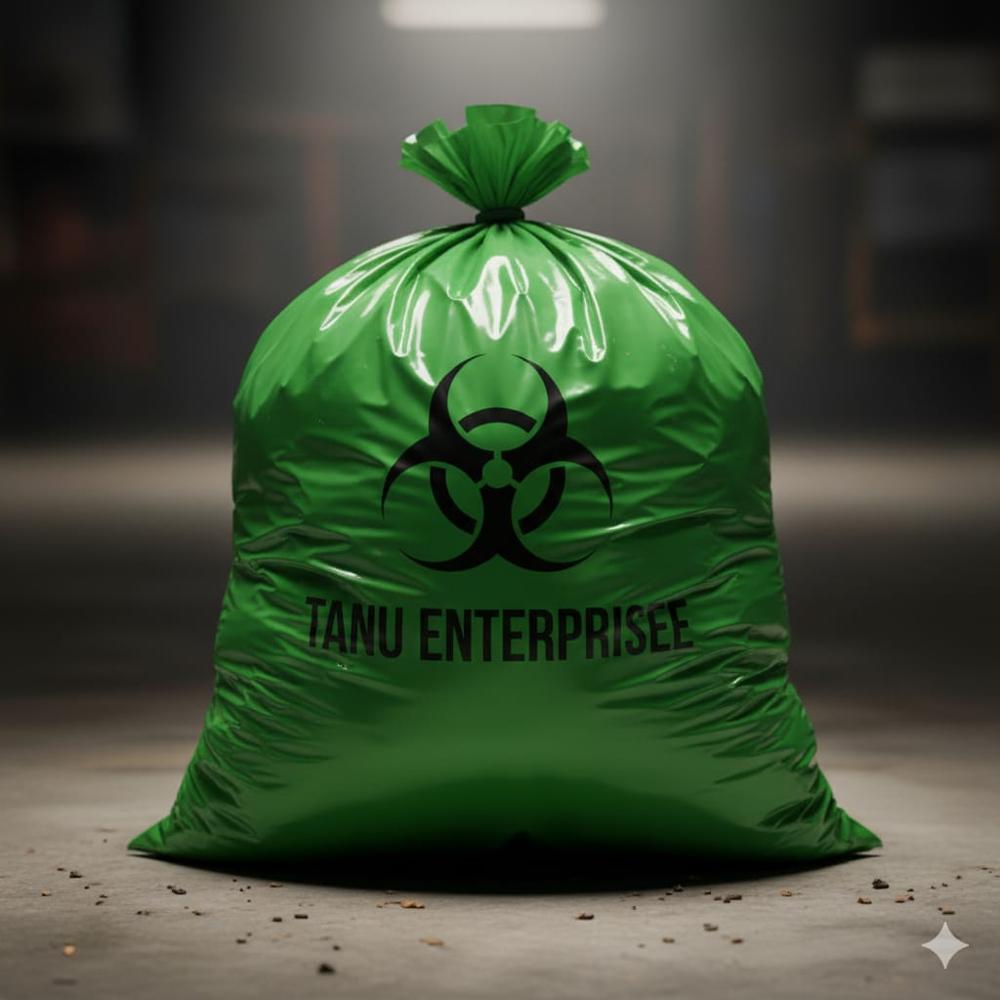
Green |
| Usage/Application |
Commercial |
| Usage/Application |
Medical |
| Usage Area |
Restaurant |
| Usage Area |
Hospital |
| Usage Area |
Hotel |
| Usage Area |
Industrial |
| Usage Area |
Mall |
| Usage Area |
Municipal |
| Usage Area |
Office |
| Country of Origin |
Made in India |
A plastic garbage bag is a disposable receptacle used for the collection, storage, and disposal of solid waste. They are a ubiquitous household and commercial item, valued for their affordability, durability, and convenience. A bin bag, rubbish bag, or trash bag are all other names for it. DescriptionMaterials
- Polyethylene (PE): The vast majority of plastic garbage bags are made from polyethylene, a durable, flexible, and waterproof plastic. The specific properties of the bag depend on the type of polyethylene used:
- Low-Density Polyethylene (LDPE): This creates a thick, highly flexible, and opaque film, ideal for bags used for heavy or wet trash.
- High-Density Polyethylene (HDPE): Bags made from this material are thinner but stronger and more puncture-resistant. These are often used for light, dry waste.
- Recycled plastic: Some bags are manufactured using recycled plastic, which reduces the need for new, or "virgin," plastic.
- Biodegradable/Compostable: Eco-friendly alternatives are made from plant-based materials, like cornstarch, to break down more quickly under specific conditions.
Features
- Leakproof and Tear-Resistant: Plastic garbage bags are designed to be strong and prevent leaks or tears, especially when handling messy or wet trash like food waste.
- Odor Minimization: By containing waste, the bags help minimize the spread of unpleasant odors.
- Standardized Sizes: Bags come in a range of capacities (e.g., 1030 liters, 3060 liters) and dimensions to fit various dustbins in kitchens, bathrooms, and offices.
- Dispensing Options: They are commonly sold in perforated rolls for easy dispensing. Some feature drawstrings or tie-tape closures to make sealing and carrying easier.
- Versatile: They are used in homes, offices, restaurants, hotels, hospitals, and construction sites for a wide range of waste types.
Frequently asked questionsQ: What is the main difference between standard plastic bags and eco-friendly options?
A: Standard plastic bags are made from petroleum and take hundreds of years to break down, degrading into harmful microplastics. Eco-friendly versions, such as biodegradable or compostable bags, are made from natural, plant-based materials and are designed to decompose much faster, leaving no toxic residue. Q: Are standard plastic garbage bags recyclable?
A: No, most used garbage bags are not recyclable through curbside programs. When they contain wet or food waste, they contaminate other recyclable materials. They also tend to get tangled in the sorting machinery at recycling facilities, causing shutdowns. Clean, dry plastic film can sometimes be recycled at designated store drop-off locations. Q: Do biodegradable bags decompose in a landfill?
A: Not necessarily. Biodegradable bags are designed to break down in specific conditions, such as those found in an industrial composting facility, which includes exposure to oxygen and heat. Landfills are often anaerobic environments, so a bag labeled "biodegradable" may break down into methane (a greenhouse gas) rather than fully decomposing. Q: How can you determine which type of garbage bag to use?
- For heavy, wet, or non-organic waste, use a standard, durable plastic bag (LDPE).
- For food scraps and organic waste, use a certified compostable bag. Dispose of it through a municipal or home composting program.
- For lighter, general waste, an HDPE bag is a good option.
- To reduce new plastic production, choose bags made from recycled content.
Q: Why are some bags opaque and others clear
Bags are made in various colors for different purposes. Clear or translucent bags are often used for recyclable waste, allowing handlers to easily see the contents. Opa







 Send Inquiry